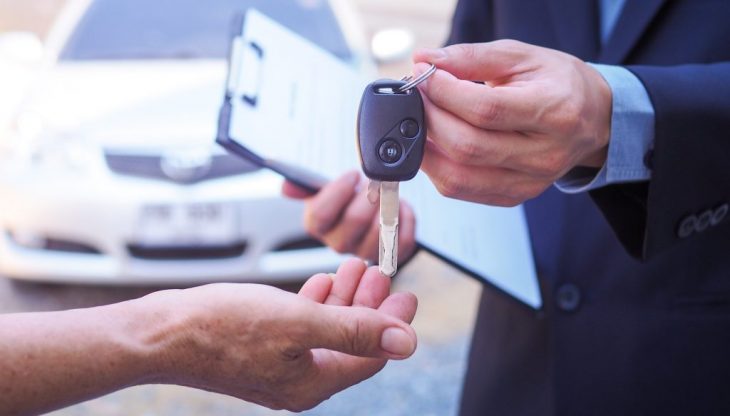

You may be able to get a car loan with bad credit, but you’ll want to carefully weigh the costs. If you need a car loan but have less-than-perfect credit, your financing terms may be expensive. Lenders use credit scores to estimate the likelihood you’ll pay back your loan — the lower your scores, the more risk they believe they’re taking on. In exchange for that risk, lenders will usually charge a higher interest rate. For example, someone with subprime credit (which Experian defines as scores of 501 to 600) received an average rate of 11.33% for a new vehicle and 17.78% for a used one in the second quarter of 2021, according to an Experian report. By comparison, the average interest rate on a 60-month new-car loan was 5.14% during that same period, according to the Federal Reserve. We’ll look at some steps you can take to shop for an auto loan that may help lower the cost of financing a vehicle, as well as review our picks for auto lenders that offer car loans for bad credit. How can I get financed for a car with bad credit? These steps could help you improve your chances of getting approved for a car loan that fits your budget. Check your credit Before you begin shopping for a car loan, check your credit. Review your credit reports for any incorrect information and dispute those errors. Inaccuracies could lower your credit scores and hurt your ability to qualify for a loan. Checking your credit can also help set your expectations before you start looking for a loan. You can check your Equifax and TransUnion credit reports for free on Credit Karma or request one free credit report from each credit bureau per year at annualcreditreport.com. If you don’t need a new car right away, taking some time to build your credit could pay off — you may be able to qualify for a lower interest rate that could save you thousands on your auto loan. But if you can’t wait, you may want to consider asking a family member or close friend to be a co-signer. A co-signer with good credit could give you a better chance of getting approved for a loan or may help you get a better loan rate and terms. Save for a down payment Saving for a down payment can come with several benefits. First, a down payment may help you qualify for an auto loan more easily, especially if you have a low credit score. Without a down payment, the lender takes on more risk since it may lose more money if you don’t repay the loan and it needs to repossess the car. In fact, some lenders may require you to put some money down. Plus, you’ll pay less interest with a down payment. The more money you put down, the less you’ll need to borrow for the car. That means you’ll pay interest on a smaller balance, lowering your total interest paid. You may also get a lower interest rate if you make a down payment. Lenders consider your loan-to-value ratio — your loan amount versus the value of the vehicle — when setting your interest rate. Determine how much you can afford Think beyond your monthly loan payment as you figure out how much you can afford to borrow. Consider the costs of car ownership — such as fuel, regular maintenance, auto insurance, and any parking expenses or property taxes — and factor them into your budget. It may be tempting to stretch your loan term to six or seven years in exchange for a lower monthly payment. But keep in mind that a longer loan term means you could end up paying more in interest over the length of the loan — and you increase your risk of becoming upside down on your loan, which can create some challenges when it’s time to sell or trade in your car because you’ll owe more than it’s worth. Our auto loan calculator can help you estimate how much you’d pay in interest on a car loan. Shop with different lenders Shopping around and comparing rates and loan terms across lenders may help you find the best loan for your needs and your budget. If you have bad credit, here are some lenders you might consider. Your current bank or credit union — If you already have a relationship with a bank or credit union, that can be a good place to start. Online lenders — Some online lenders and lending platforms specialize in car loans for people with bad credit. They may also allow you to apply for prequalification directly on their websites. If you’re prequalified, you’ll be able to see the estimated loan rate and terms you may qualify for. Just keep in mind that prequalification isn’t a guarantee you’ll be approved for the loan or the estimated loan terms. Car dealerships — Dealerships typically have relationships with a number of banks and finance companies, which means they may be able to find a lender in their network that will approve you for a loan. Some dealerships also have special financing departments that are dedicated to helping people with poor credit. Buy-here, pay-here dealerships — If you can’t get approved for an auto loan anywhere else and you need a car, a buy-here, pay-here dealership could be an option — but consider it a last resort. These “no credit check” dealerships offer their own loans to people with bad credit — and their interest rates tend to be higher than those offered by banks and other lenders. To minimize the impact that shopping for an auto loan can have on your credit, it’s a good idea to shop for rates within the same time period. FICO scoring models count multiple credit inquiries of the same type within a 45-day period as a single inquiry. VantageScore counts multiple inquiries within a 14-day period as a single inquiry. Keep in mind each time your credit is ran by a lender an average of 5 points are deducted from your credit score. These points will be removed within 18 months. Can I get a car loan with a 500 credit score? It’s possible to get a car loan with a credit score of 500, but it’ll cost you. People with credit scores of 500 or lower received an average rate of 13.97% for new-car loans and 20.67% for used-car loans in the second quarter of 2021, according to the Experian State of the Automotive Finance Market report. That’s a big difference from the loan rates for people with credit scores of 661 to 780 (considered prime) — they received average rates of 4.21% for new-car loans and 6.05% for used-car loans. Getting a car loan with a credit score of 500 could be tough, too. The Experian report shows that only 0.37% of new-car loans and 4.35% of used-car loans issued in the fourth quarter of 2019 went to people with credit scores of 500 or lower. Best car loans for bad credit Here are some of our picks for lenders that offer car loans for bad credit around you right now. Good for people who have filed bankruptcy: EZPAY CARS In general, bankruptcies in your credit history can affect your ability to get approved for an auto loan. But EZPAY CARS considers applicants who have filed for bankruptcy in the past — as long as the bankruptcy has been discharged. Next steps Car loans for bad credit are out there, but they can be expensive. Taking steps to improve your credit before car shopping can lessen some of the financial burden. If you’re unable to delay your car purchase, consider buying a lower-priced, but reliable, used vehicle that meets your needs but requires you to borrow less. As you pay down your loan and work on improving your credit, you may be able to refinance for a better rate down the road.